Exhibits, podcasts, and other special projects from the Archives.
Filter by tag
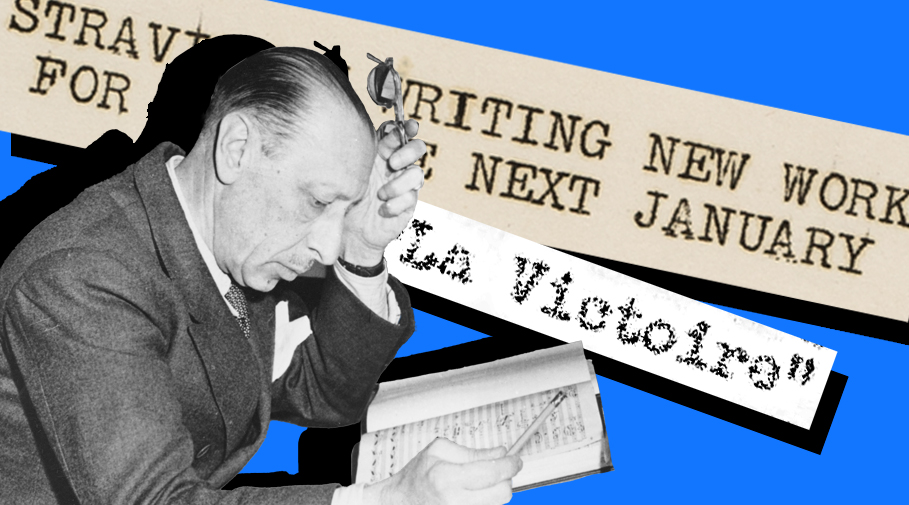
Inside Igor Stravinsky's first work composed entirely in the United States, commissioned and premiered by the New York Philharmonic in 1946.
Google Arts & Culture
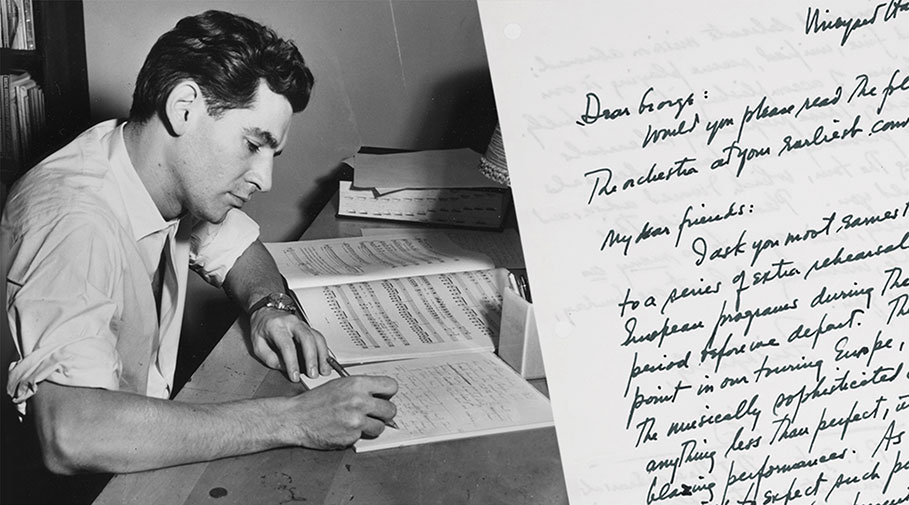
A look back at the innovations and achievements of the Philharmonic's Music Director, 1971-77, in celebration of his March 2025 centennial.
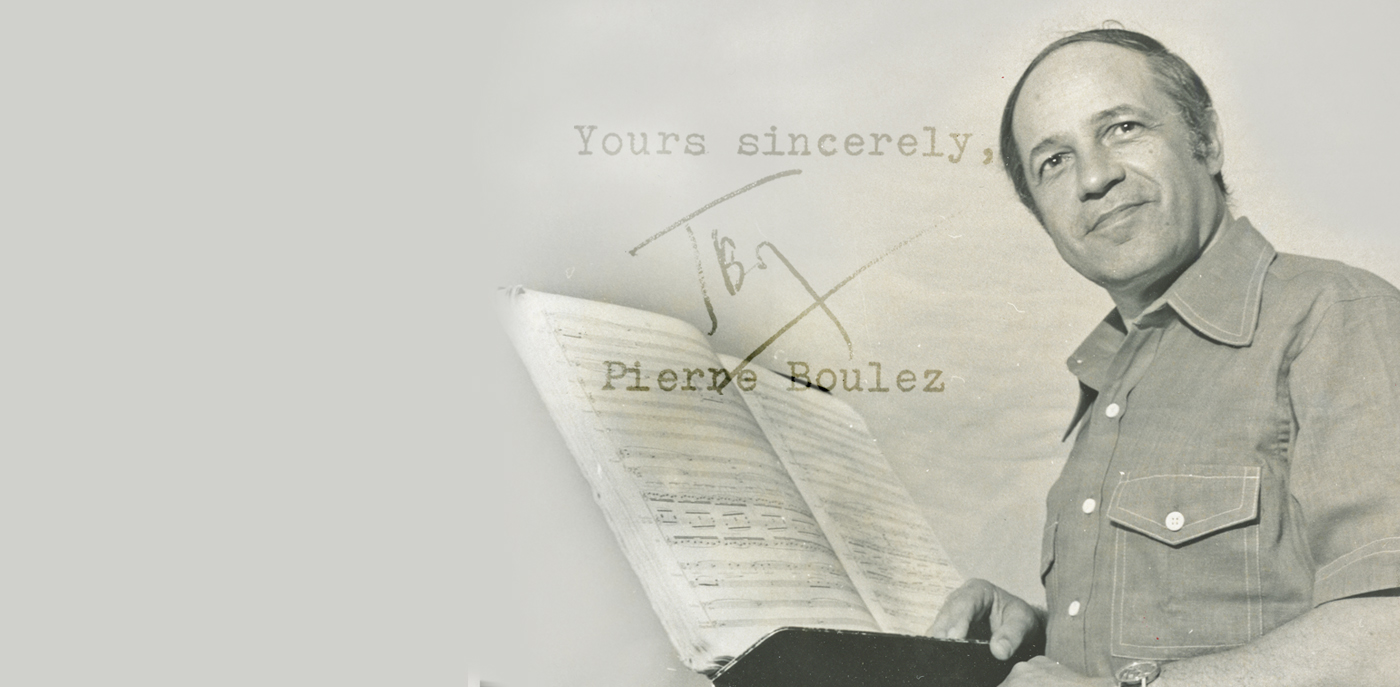
Newly released archival documents from Boulez's years as Music Director of the New York Philharmonic, released on the 100th anniversary of his birth.
Archival Collection
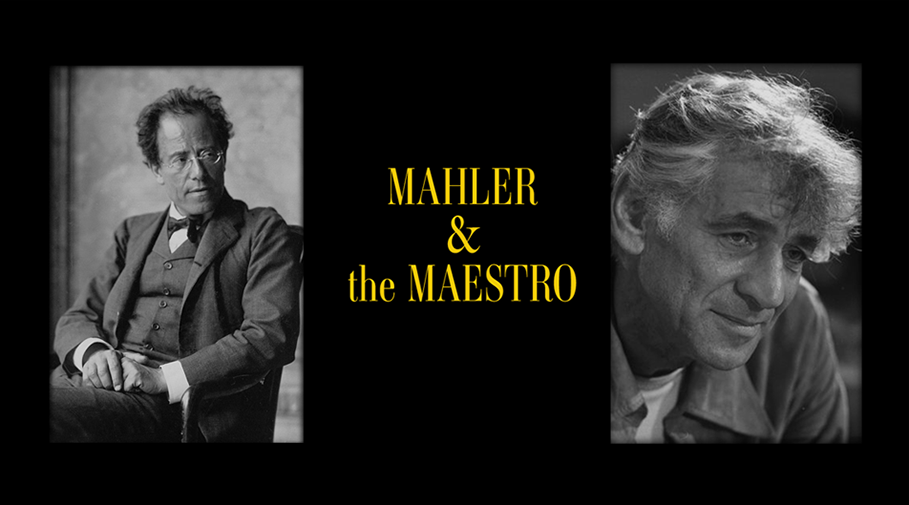
A special episode of Embrace Everything — The World of Gustav Mahler, celebrating Maestro, the Philharmonic Archives, and featuring Jamie Bernstein.
YouTube
A five-part podcast series chronicling the history of the New York Philharmonic and its connection to New York City through stories of seminal concerts, hosted by Jamie Bernstein and presented by the NY Phil and WQXR.
WQXR
How the New York Philharmonic orchestrated the first North American appearances of the enigmatic composer.
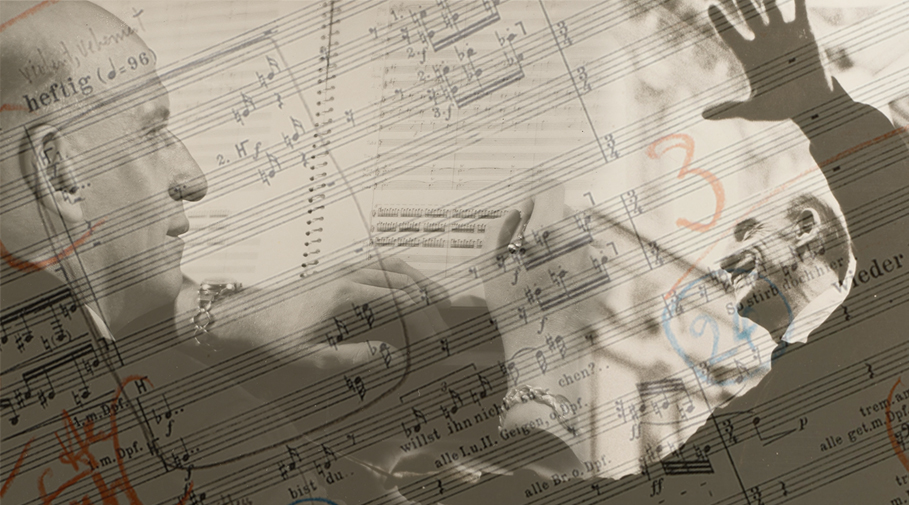
120+ never-before-seen scores marked by the NY Phil’s former Music Director are now publicly available thanks to a collaboration with the University of Iowa Rita Benton Music Library. Dive into the unique marking style of Mitropoulos, who committed all his scores to memory before performing them.
Celebrating the 10th Anniversary of the NY Philharmonic Shelby White & Leon Levy Digital Archives.
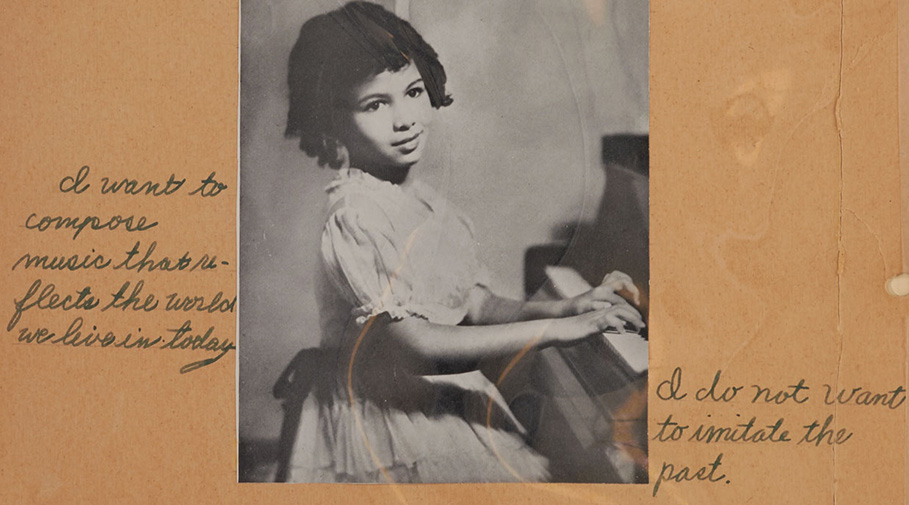
Meet the women who have been breaking the glass ceiling since 1842 in this Google Arts & Culture exhibit.
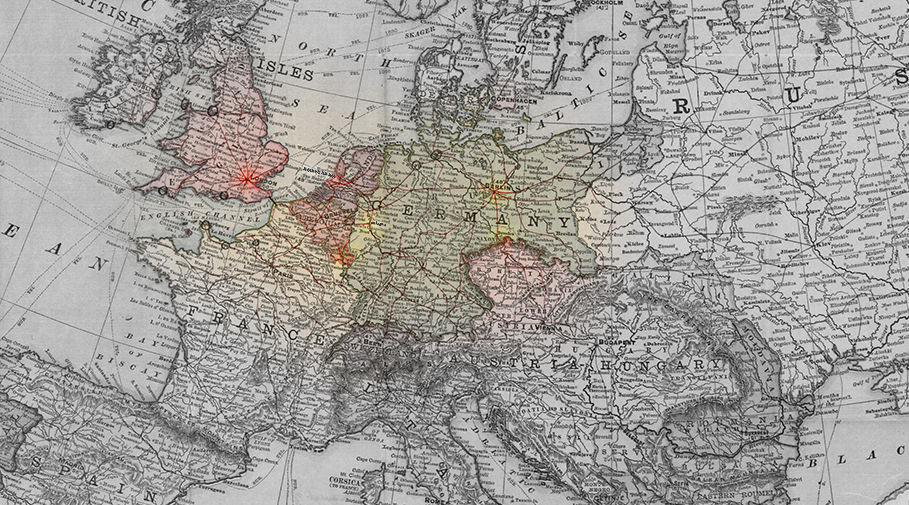
Touring has been part of the New York Philharmonic's DNA since its first international trip to Europe, in 1930. Join the Orchestra on a virtual journey through its history in London, Cologne, Amsterdam, Luxembourg, Berlin, and Dresden — cities it had been scheduled to visit in May 2020.
In support of our audience, researchers, and online community of music lovers during the early months of the COVID-19 pandemic, the archivists posted a #dailydocument for those who wanted to dive deeper into the Digital Archives collections.
Archived Digital Exhibit
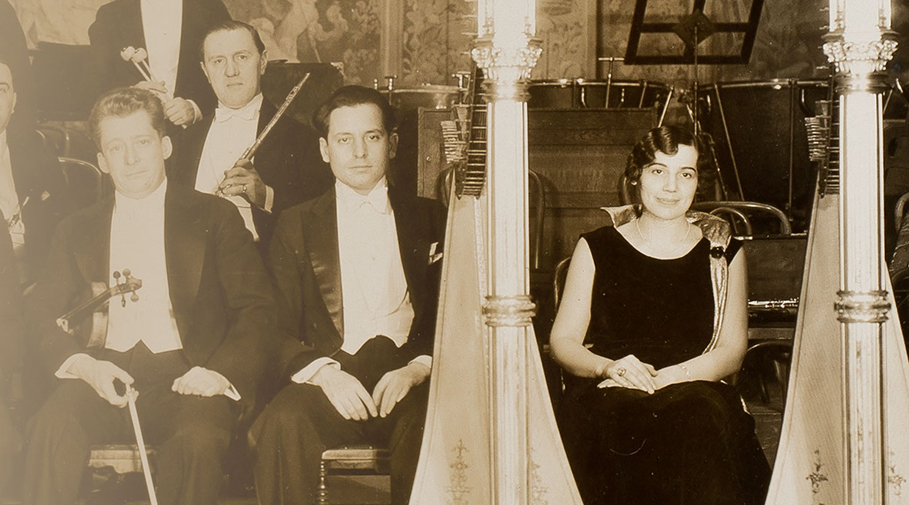
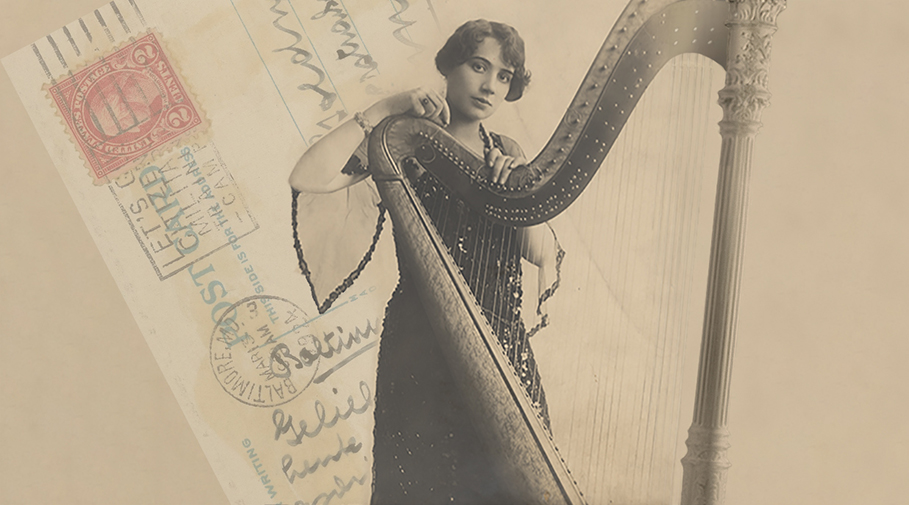
Harpist Stephanie "Steffy" Goldner (1896-1962) was the New York Philharmonic’s first woman musician. As part of Project 19, the Philharmonic’s celebration of the centennial of the 19th amendment which gave American women the right to vote, the Philharmonic Archives is telling the story of Steffy for the first time.
Listen as current and former New York Philharmonic musicians explore the history of the Orchestra through its recordings, in conversation with Philharmonic Archivist and Historian Emerita Barbara Haws.
Archived Podcast
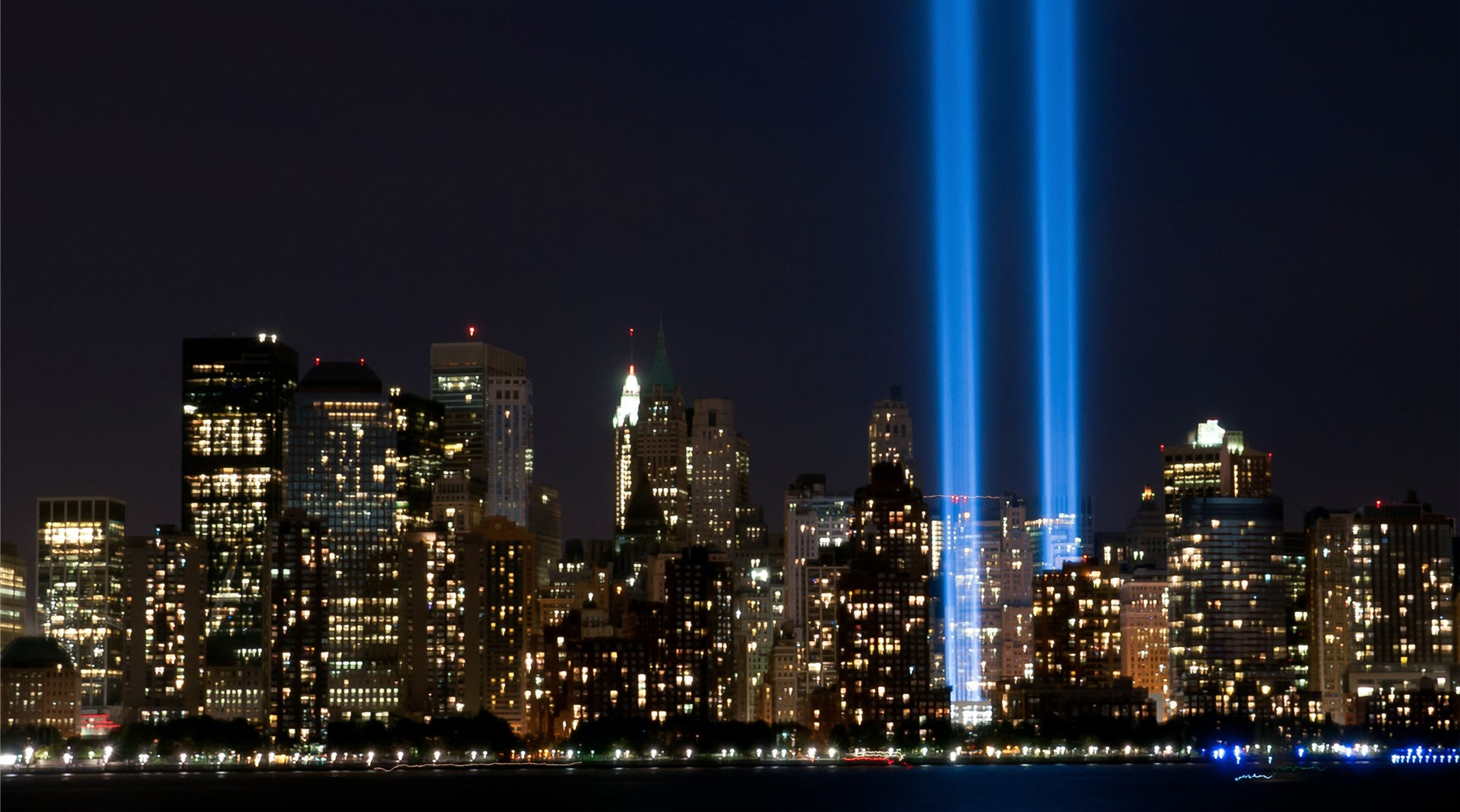
The Philharmonic looks back on how it has responded to tragedy with music, from the assassinations of Lincoln and JFK to World War II and September 11.
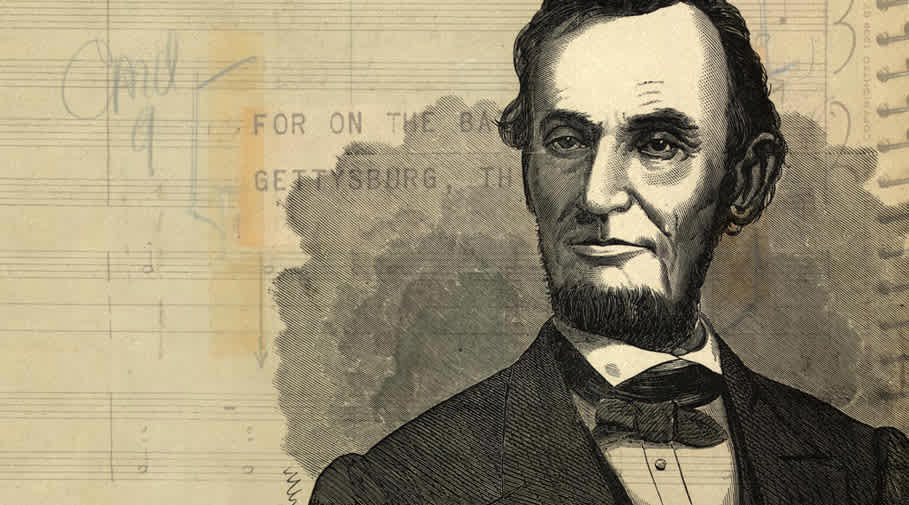
Copland’s A Lincoln Portrait is a dramatic work for orchestra and narrator that uses Lincoln’s own words as the text. This online exhibit highlights the tradition of having narrators sign the score, and also features audio clips by luminaries ranging from Carl Sandburg and Henry Fonda to Marian Anderson and Joe Torre.
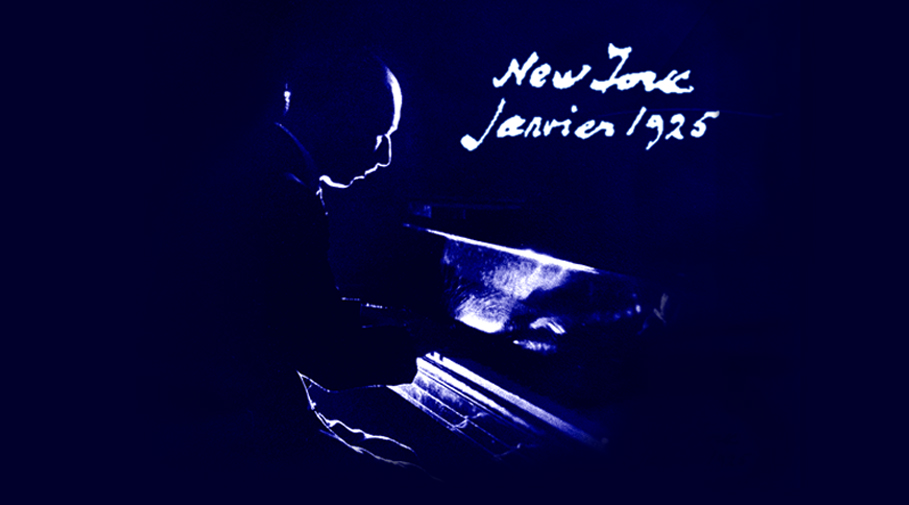
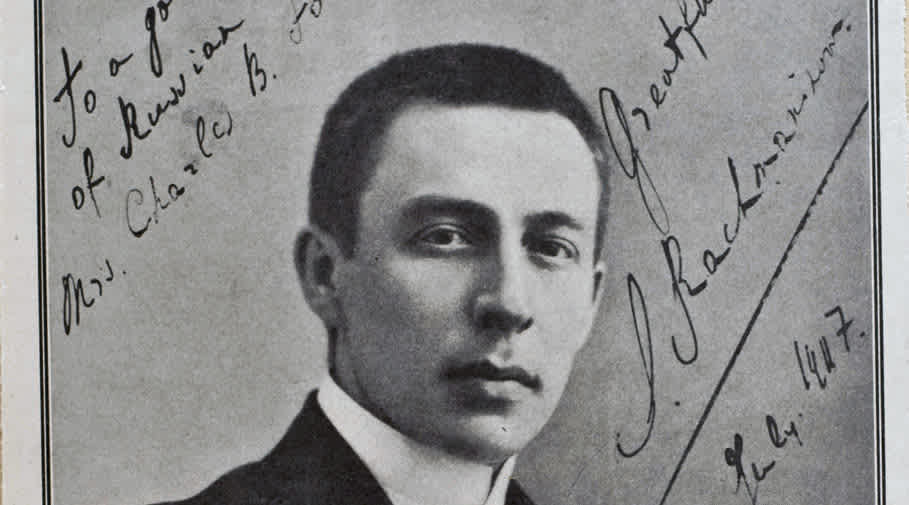
Sergei Rachmaninoff’s relationship with the New York Philharmonic began during his first trip to America in 1909 and continued until just a few months before his death in 1943. It became one of the most unique and demanding partnerships in the Orchestra’s history.
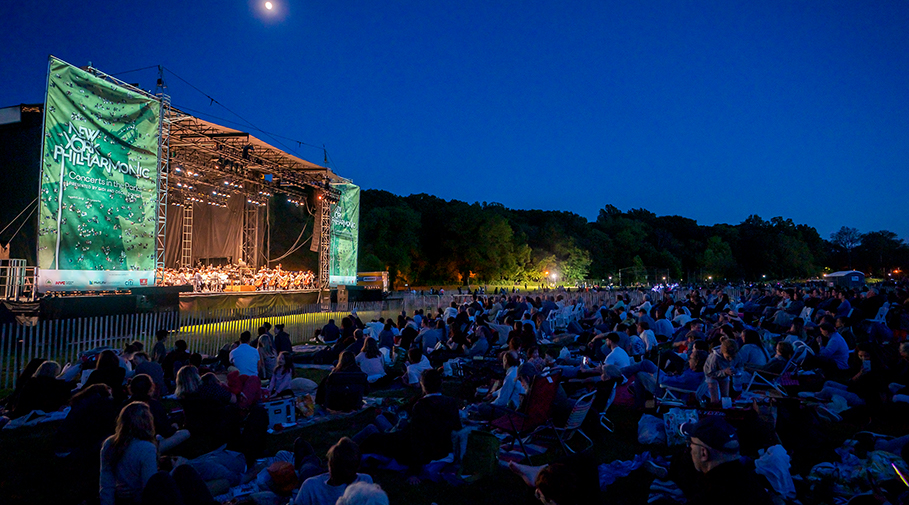
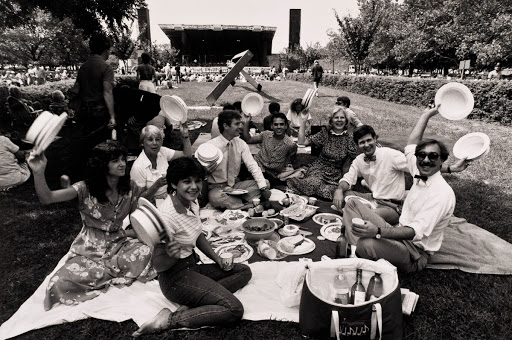
Memorable moments from past Concerts in the Parks.
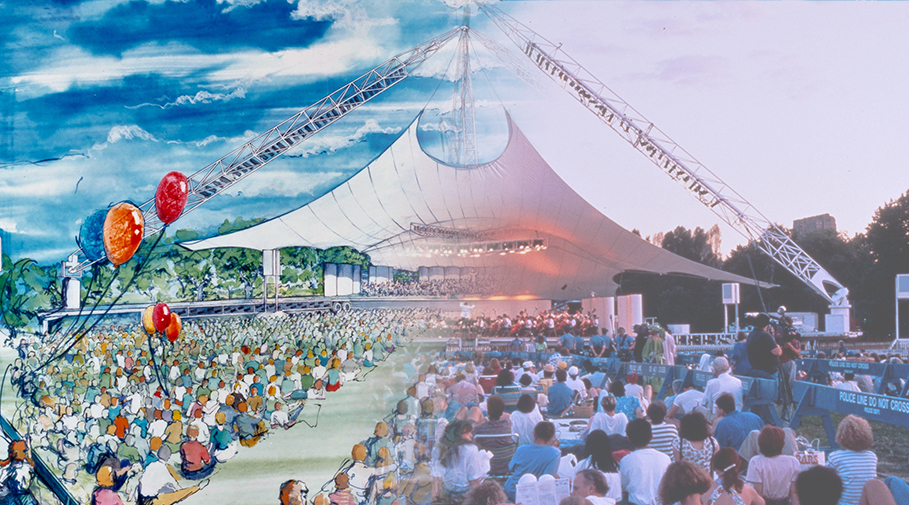
How the Philharmonic launched a tradition of Concerts in the Parks.
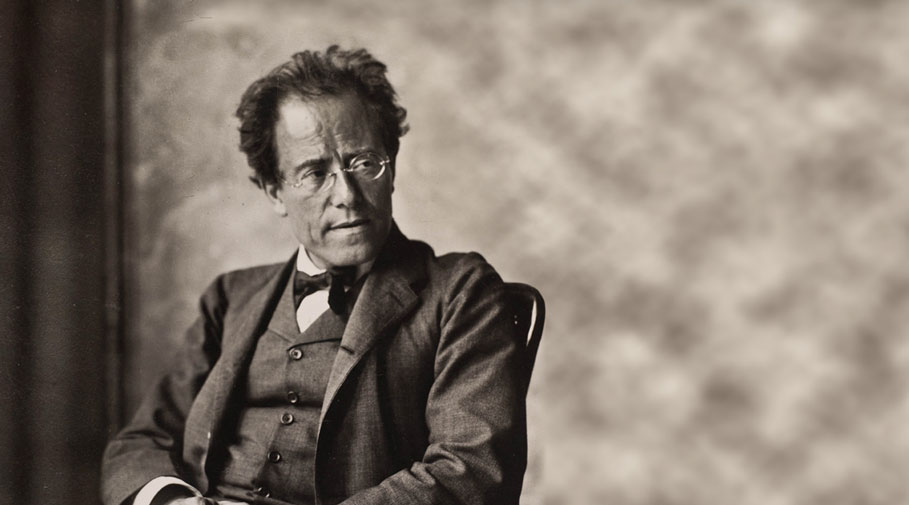
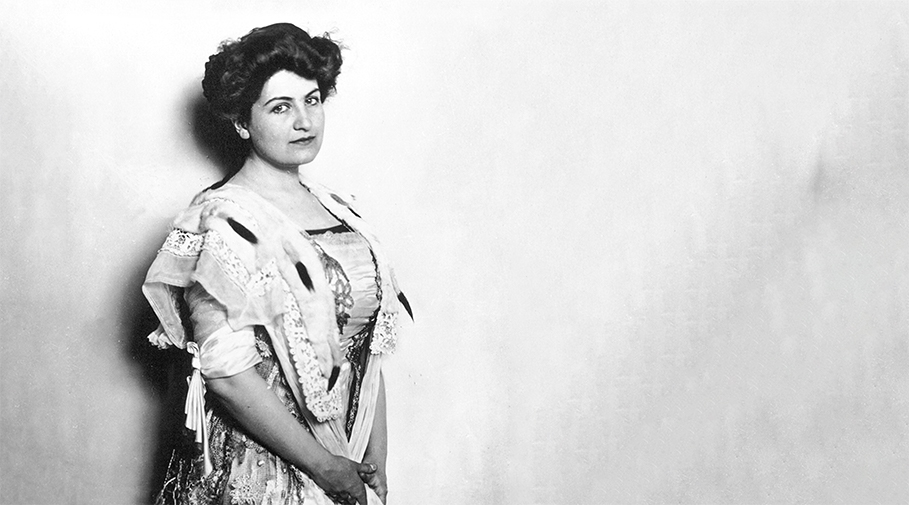
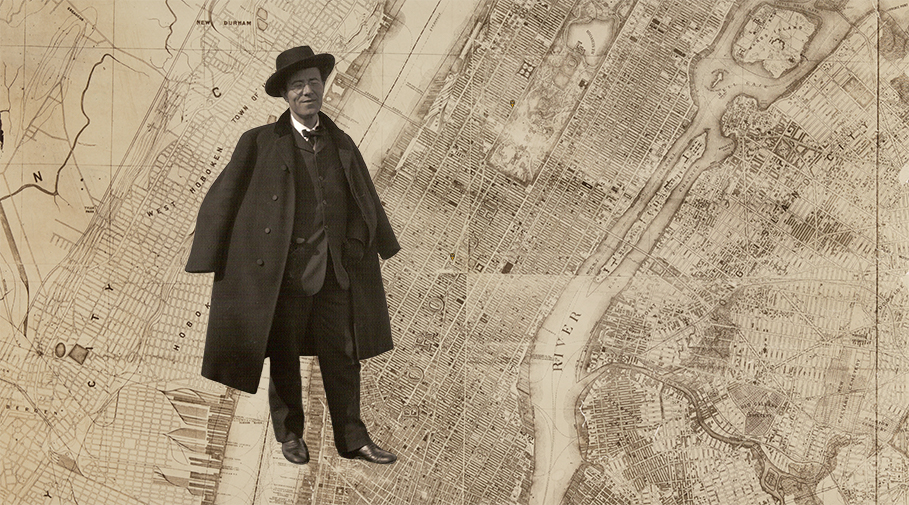
Gustav Mahler, his wife, Alma, and their daughter, Anna, made their home in New York from 1908 to 1911. It was a time of sweeping social change — women’s suffrage was a growing movement, unions were on the rise, and the Upper West Side was the hot new neighborhood.
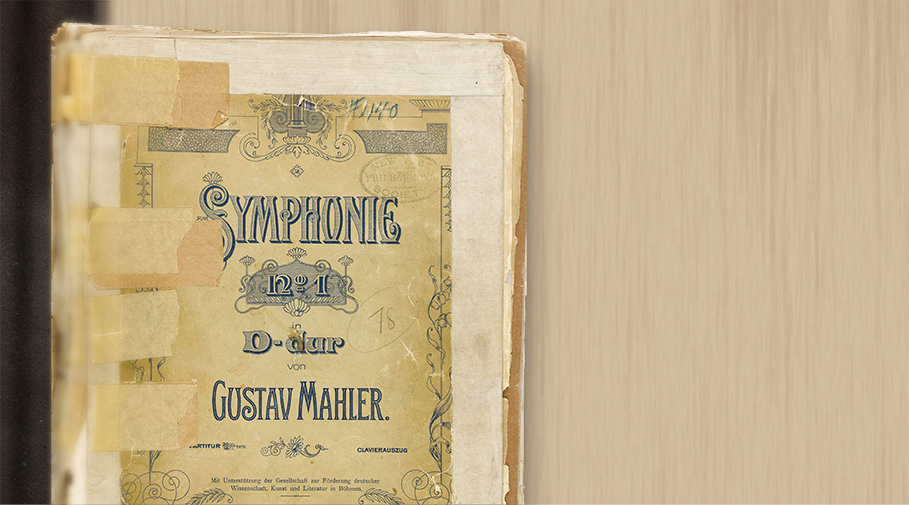
When Mahler conducted the world premiere of his First Symphony in 1889 in Budapest, he called it a “Symphonic Poem,” with poetic movement titles like “Under Full Sail.” By the time he conducted the First’s American debut with the New York Philharmonic, Mahler had banished explanatory descriptions of its “meaning” and let the music stand on its own.
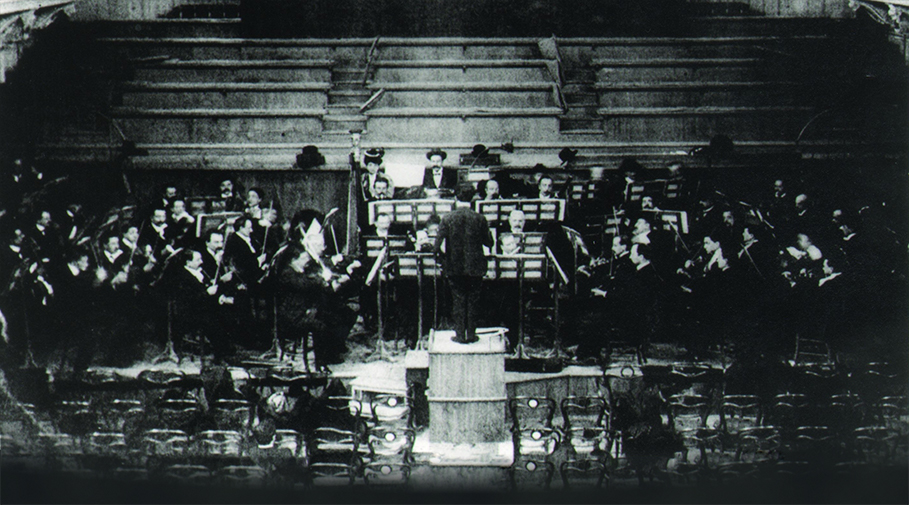
At the New York Philharmonic, Mahler — for the first time in his life — could focus exclusively on symphonic music. He had no major administrative duties, could shape the repertoire to his liking, and led more works, by more composers, than ever before.
Women figured prominently in Gustav Mahler’s life in New York. In fact, he came to the Philharmonic in 1909 thanks to one resolute woman: Mary Seney Sheldon, a wealthy socialite determined to transform the Orchestra, then 67 years old, into a world-class ensemble.
During the few short months before Mahler officially took over the New York Philharmonic in November 1909, he began radically remaking the Orchestra. What had been a respected ensemble began to grow into a musical powerhouse.
Musicians of the New York Philharmonic lead you on a tour of the New York City Mahler knew as Music Director of the New York Philharmonic, then and now.
Archived digital exhibit on Philharmonic travel and Rome-related archives materials.
Archived digital exhibit on Des Knaben Wunderhorn soloists in Philharmonic history.
Archived digital audio excerpts related to the Concerts in the Parks materials.